

71. Klipsch Speaker
As powerful as a crashing ocean

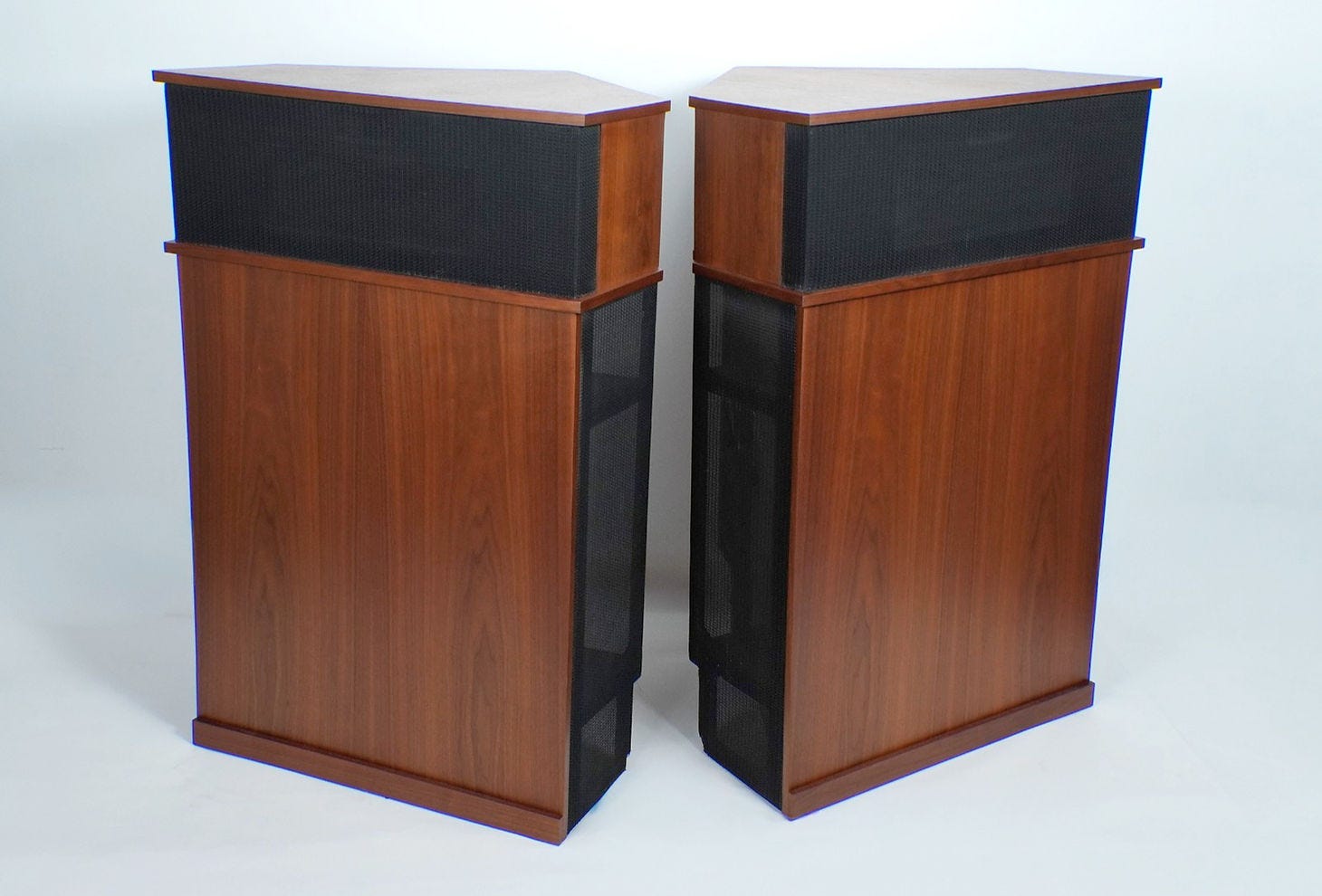
It’s an old engineering problem: to reproduce sound without distortion, you need a horn. But a true bass horn is massive, far too large for the average home. In 1946, Paul W. Klipsch folded the horn back against itself inside a triangular cabinet that tucked snugly into a corner. The surrounding walls would reverberate, serving as the final length of the instrument. The room became part of the speaker.
At over 4 feet tall and 330 lbs, Klipschorns are said to sound “as powerful as a crashing ocean and as clean as the whisper of receding tide.”1 The audiophile’s speaker, still made by hand in Hope, Arkansas on the former Army base where Klipsch first set up shop.
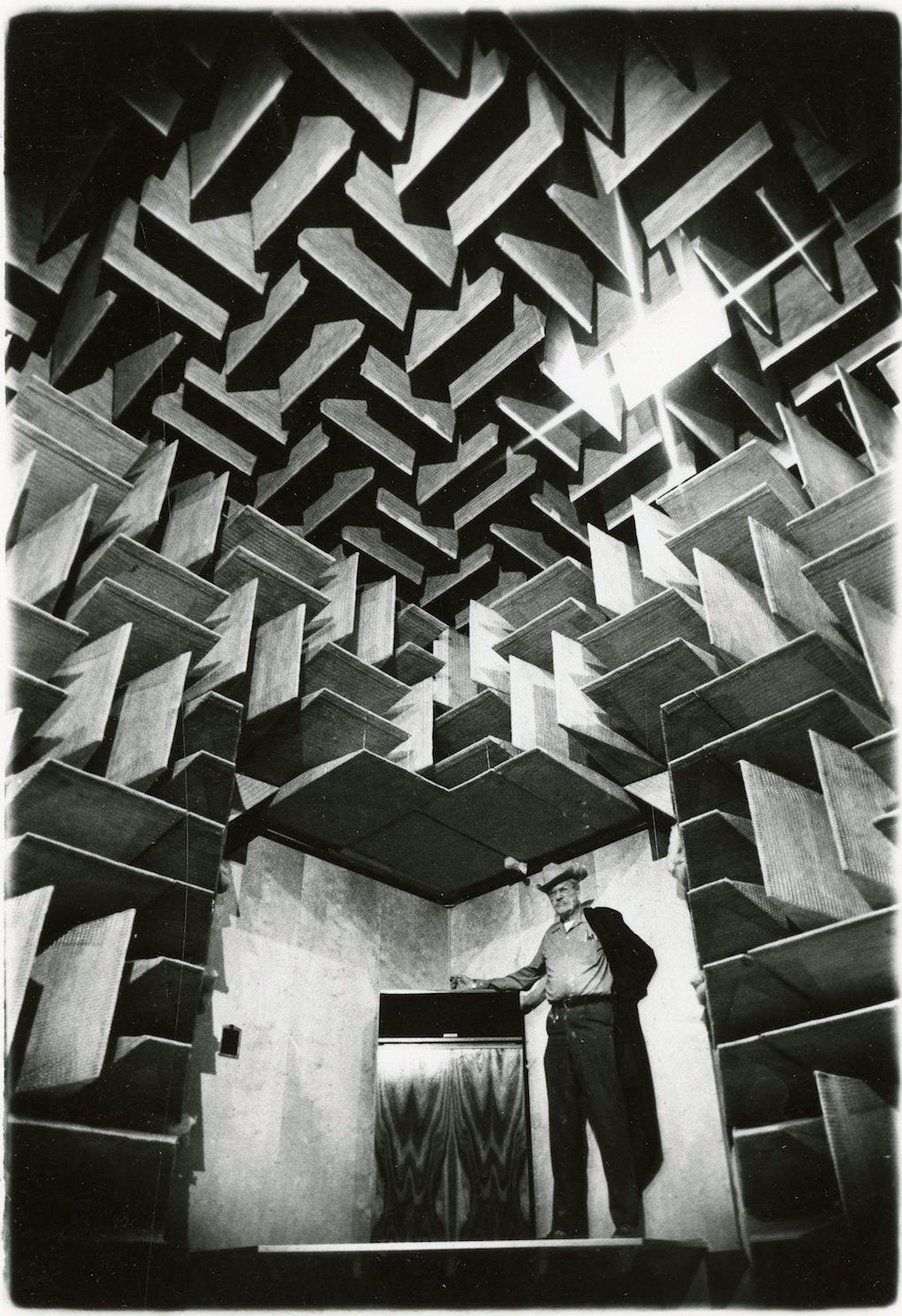
He was a collegiate rifle champion, a locomotive mechanic in Chile, a geophysicist, and a ballistics engineer. He once stripped to his skivvies and cranked the heat to test a calculator that couldn’t handle extreme temperatures. He wore a “bullshit” button under his lapel and flashed it at anyone making outlandish claims—including, reportedly, a minister mid-sermon. (Klipsch still sells a replica for $9.)
After the success of the Klipschorn, he was developing a smaller speaker when someone dismissed it as acoustic heresy. “That’s exactly what I’m going to call it!” A year later the Klipsch Heresy was introduced, becoming a bestseller among churches. Today, the Heresy is a classic, and every completed Klipschorn still gets a “pride card,” signed by each worker who touched it, sealed inside the cabinet.
Special thanks to Perrin Shelton for suggesting the Klipsch speaker.
Links:
“From the Tin Shed to The Loft: How Klipsch became an iconic speaker brand” - Kelly Doherty, The Vinyl Factory, September 2, 2016
Too many emails? Instructions for receiving a weekly summary can be found here.
This post is part of The American 250, a series featuring 250 words on 250 objects made by Americans, located in America, in honor of the country’s 250th anniversary. Through December 31, 2026.
I’m looking for ideas for this series — have something you’d like me to consider for inclusion? Please feel free to leave a comment!
Quoted from “A Legend in Sound,” by Jim Shahin, American Way (the former magazine of American Airlines), 1989.
Oh, this is great! Little did I know, but now I do. Thanks....what a character....